
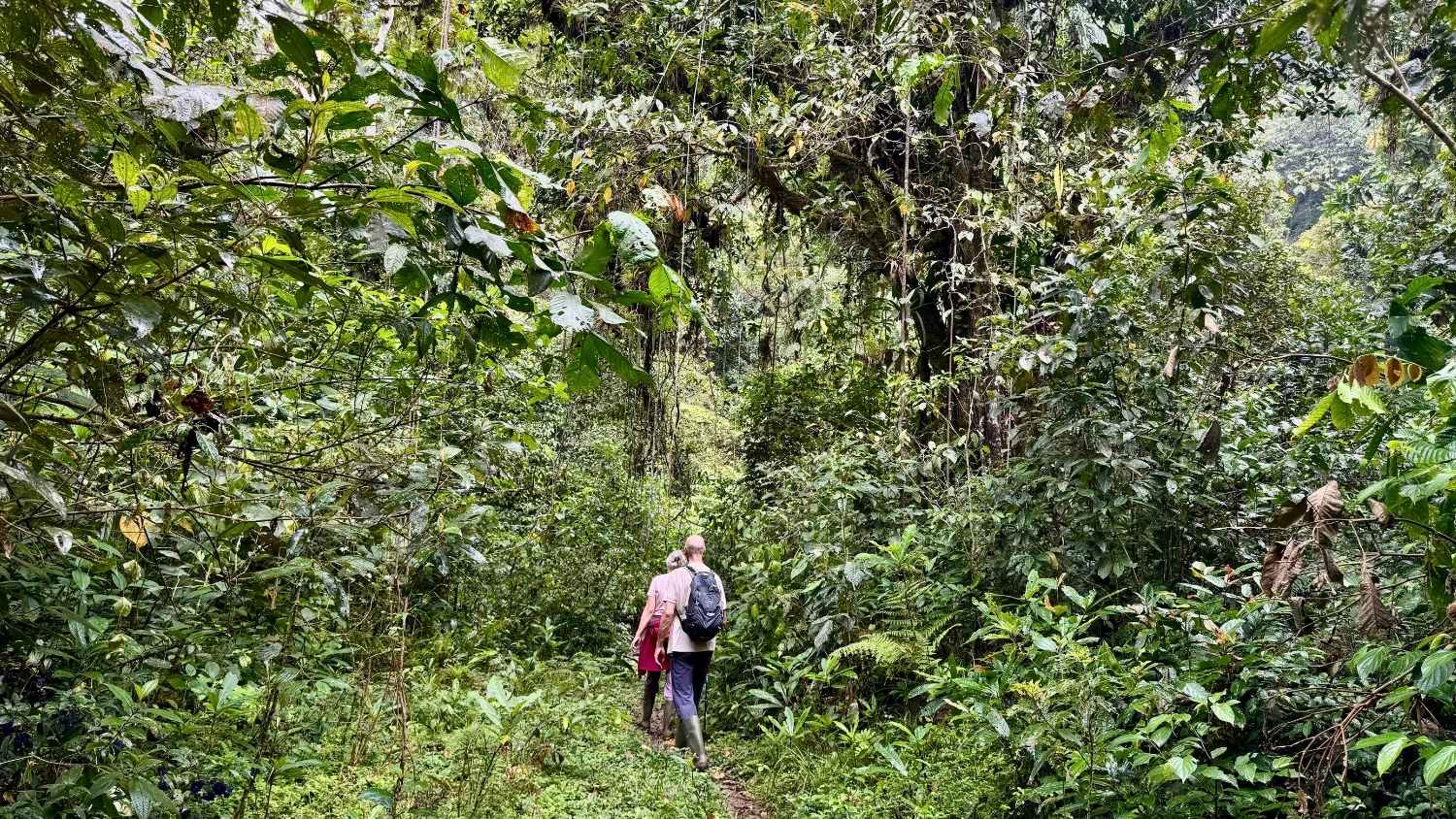
If you are looking for hikes in Santa Fe Veraguas, this tropical mountain region offers some of the most varied hiking experiences in Panama. Around Santa Fe, trails can lead across open ridgelines, through rural communities, into primary forest, and deep inside Santa Fe National Park, where waterfalls, rivers, muddy trails, steep climbs, and rich biodiversity shape the rhythm of each adventure.
This guide presents five hikes in order of difficulty, from a family-friendly scenic walk to one of the most demanding jungle routes in the region. Before choosing your hike, we recommend reading our Difficulty Levels article, because trail conditions in Santa Fe can change quickly with rain, river levels, mud, and seasonal conditions.
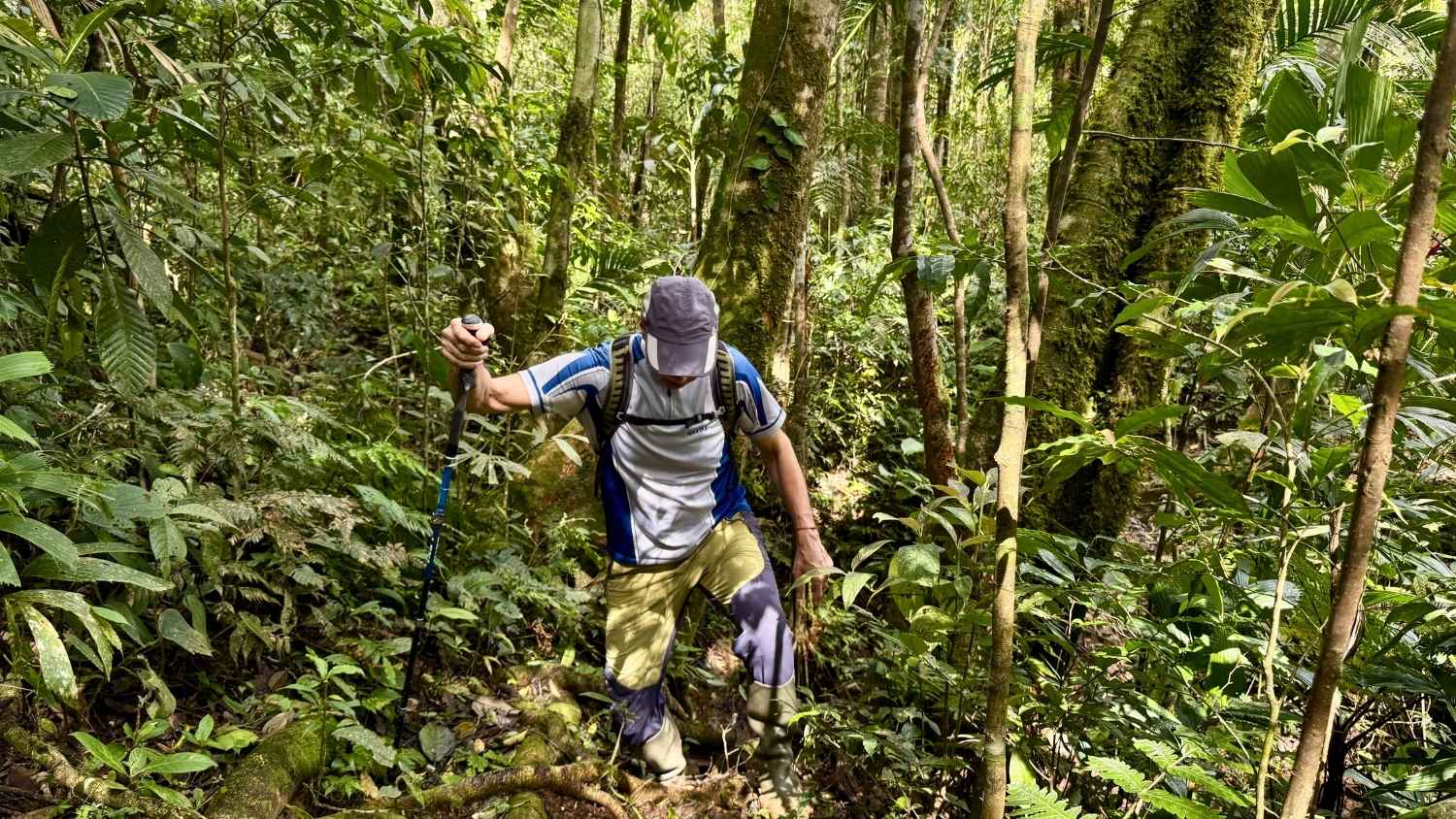
For most hikes, especially those inside or near Santa Fe National Park, we strongly recommend going with a local certified guide. Most trails are not clearly marked, some routes cross rivers or enter remote areas, and local knowledge makes the experience safer, more respectful, and more meaningful.
The Panorama Hike is the easiest option in this list and one of the best choices for families, beginners, or travelers who want scenic views without a demanding jungle trek. Located around El Pantano and El Bermejo, this route follows countryside paths and ridgelines with open views over the Santa María River Valley, Santa Fe National Park, Cerro Tute, and Cerro Mariposa.
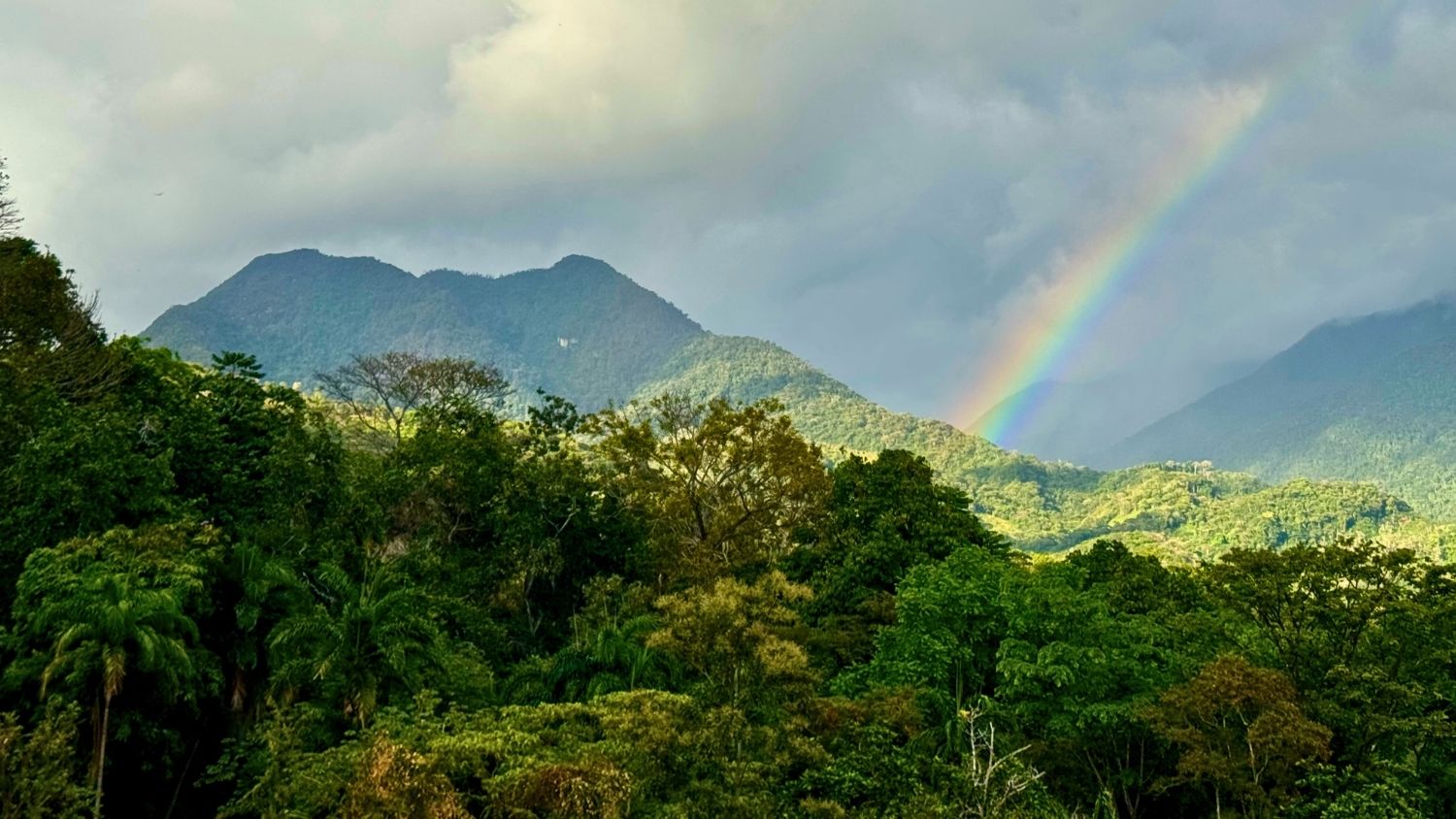
The hike takes around 3 to 4 hours overall, with about 2 to 2.5 hours of walking. The route is approximately 4.8 km, with about 220 meters of elevation gain. It is considered a Level 2 easy hike, with short uphill sections and one steeper downhill section near the end. Along the way, travelers may see toucans, parrots, oropendolas, rural landscapes, and finally reach the Bulabá River for a refreshing swim.
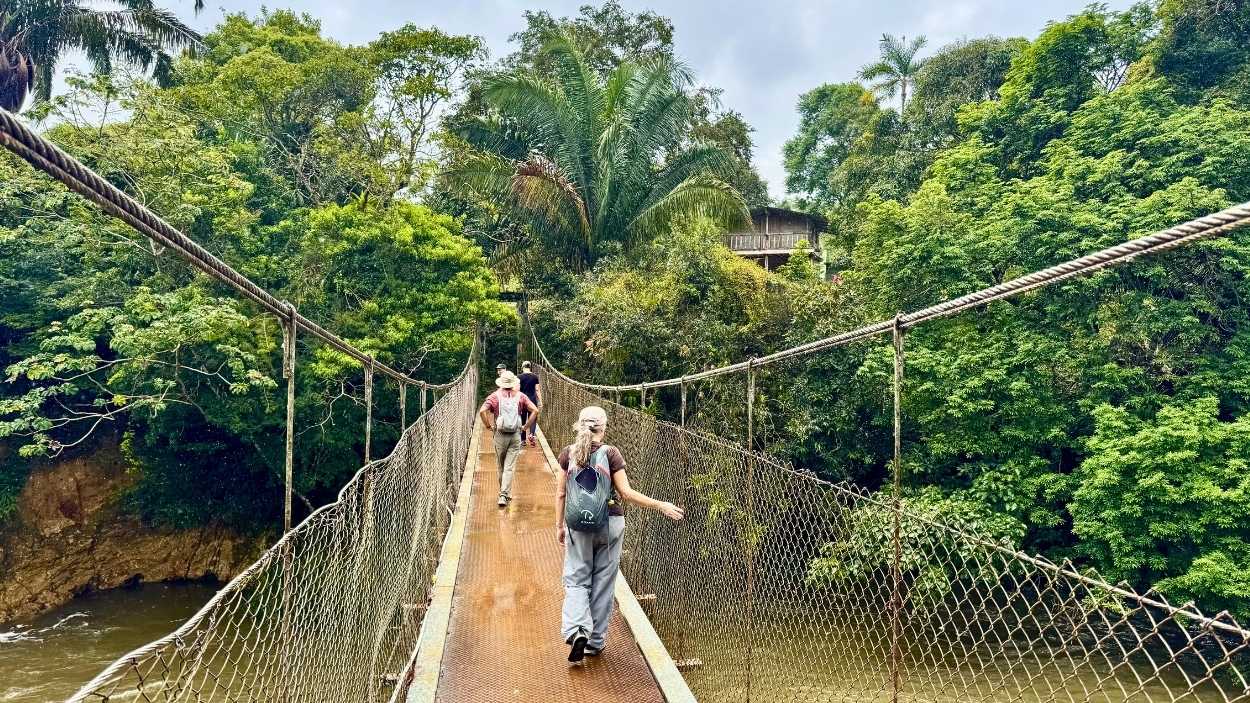
For travelers who are just arriving in Santa Fe, this hike is a gentle and beautiful first step into the region. For full details, visit our Panorama Hike activity page, or contact us via WhatsApp to check availability and plan the hike.
Cerro Tute is one of the most iconic hikes in Santa Fe and a strong choice for active travelers who want a real mountain route. Unlike the waterfall hikes, this experience is focused on walking, elevation, ridgelines, forest sections, and panoramic views. The mountain also carries historical and cultural importance, making the hike more than a physical challenge.
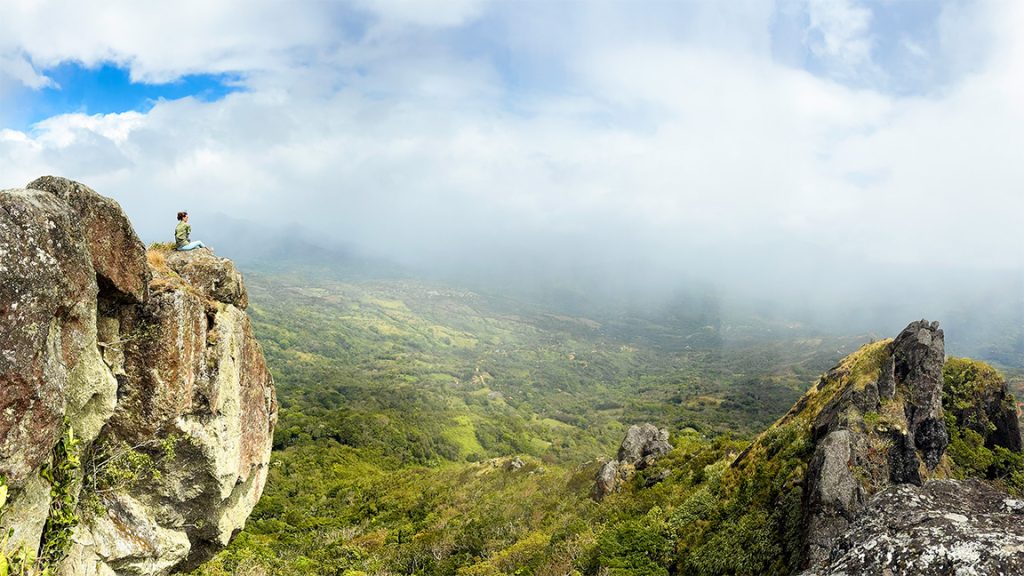
The route is around 12 km, with about 6 hours of hiking and an elevation profile of approximately +750 meters and -350 meters. It is considered a Level 2.5 moderate to demanding hike, depending on physical condition, weather, and trail conditions. During the dry season, the views are usually clearer, while in the rainy season the trail can become muddy and slippery.
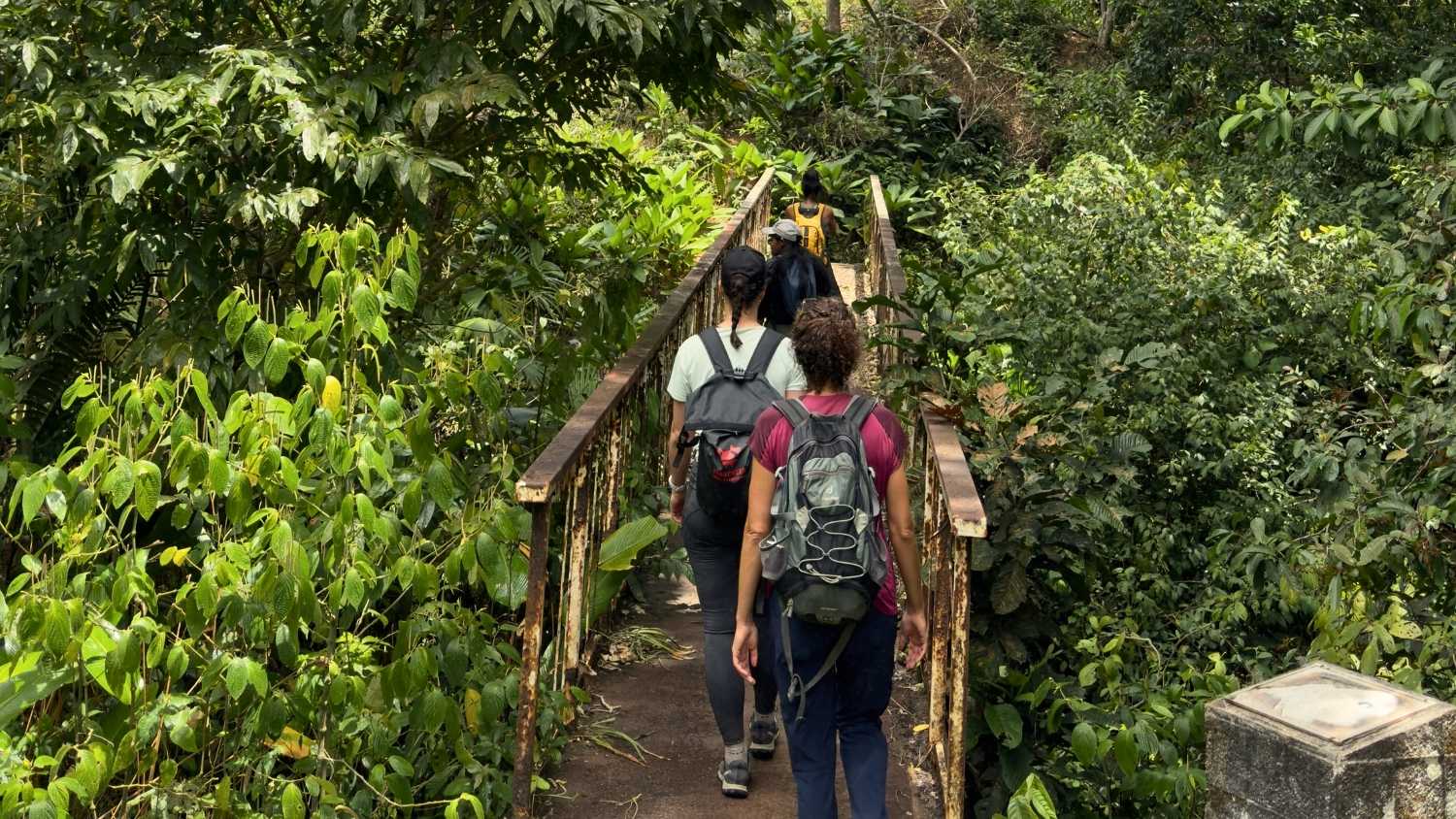
Cerro Tute is also a good place to feel the transition between rural landscapes and tropical forest habitat. Birds are always part of the experience, and the quieter forest sections can reveal tracks, sounds, and signs of wildlife moving through the area. For full details, visit our Cerro Tute Hike activity page, or contact us via WhatsApp to check conditions and organize the route.
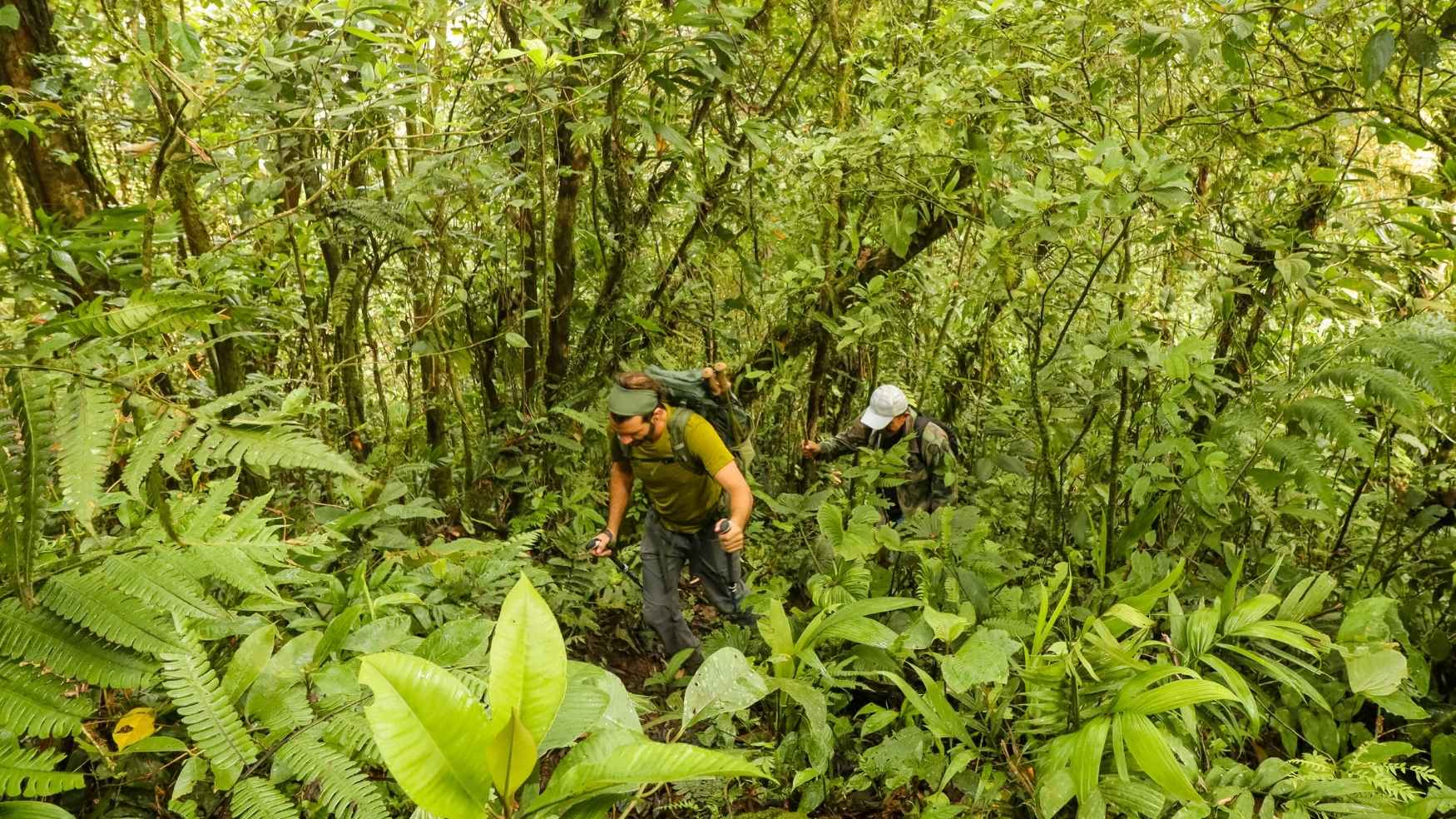
Cerro Mariposa is one of the most visible and impressive peaks above Santa Fe. Starting from the Alto de Piedra area, inside Santa Fe National Park, the trail climbs steeply through dense primary cloud forest, creating a more demanding experience than Cerro Tute. This is a hike for travelers who are comfortable with mud, roots, narrow trails, and a more physical ascent.
The route takes around 5 to 7 hours overall, with 4 to 6 hours of hiking. It is about 7 km round trip, with approximately 600 meters of elevation gain. The difficulty is Level 4 challenging, mainly because of the steep climb, muddy sections, and overgrown terrain. On clear days, the summit can offer wide views over the region and, with luck, even toward both oceans.
Cerro Mariposa also crosses important wildlife habitat. These forests are part of a larger mountain landscape where species such as ocelots, pumas, and jaguars can move, even if they are rarely seen. More often, the experience is about entering their territory quietly, noticing tracks, listening to birds, and understanding how wild and fragile these forest corridors still are. For full details, visit our Cerro Mariposa Hike activity page, or contact us via WhatsApp to plan the hike with a local certified guide.
El Duende is a remote and challenging hike inside Santa Fe National Park, best suited for hikers who want to move beyond the more accessible trails. This route follows unmarked jungle paths, river crossings, rocks, and dense tropical forest. It is not a casual walk; it is a real jungle route where orientation and local experience matter.
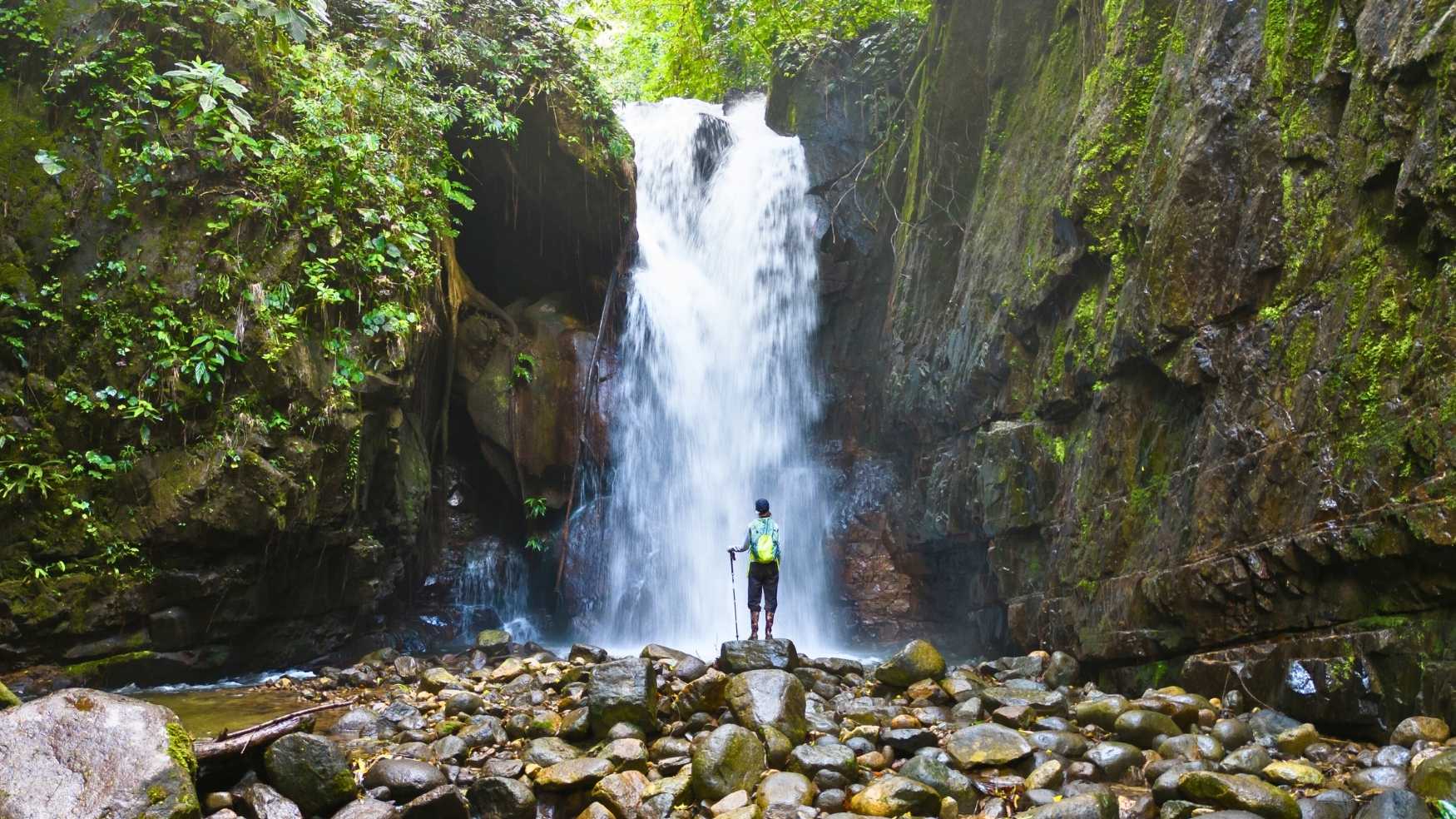
The hike takes around 6 to 8 hours overall, with 5 to 6 hours of hiking. The route is approximately 9 km round trip, with about 400 meters of elevation gain. It is considered a Level 3.5 challenging hike because of the unmarked trail, river crossings, slippery sections, and remote terrain. Along the way, hikers may encounter hidden natural pools, primary forest, wildlife signs, and one of the least-visited cascades in the park.
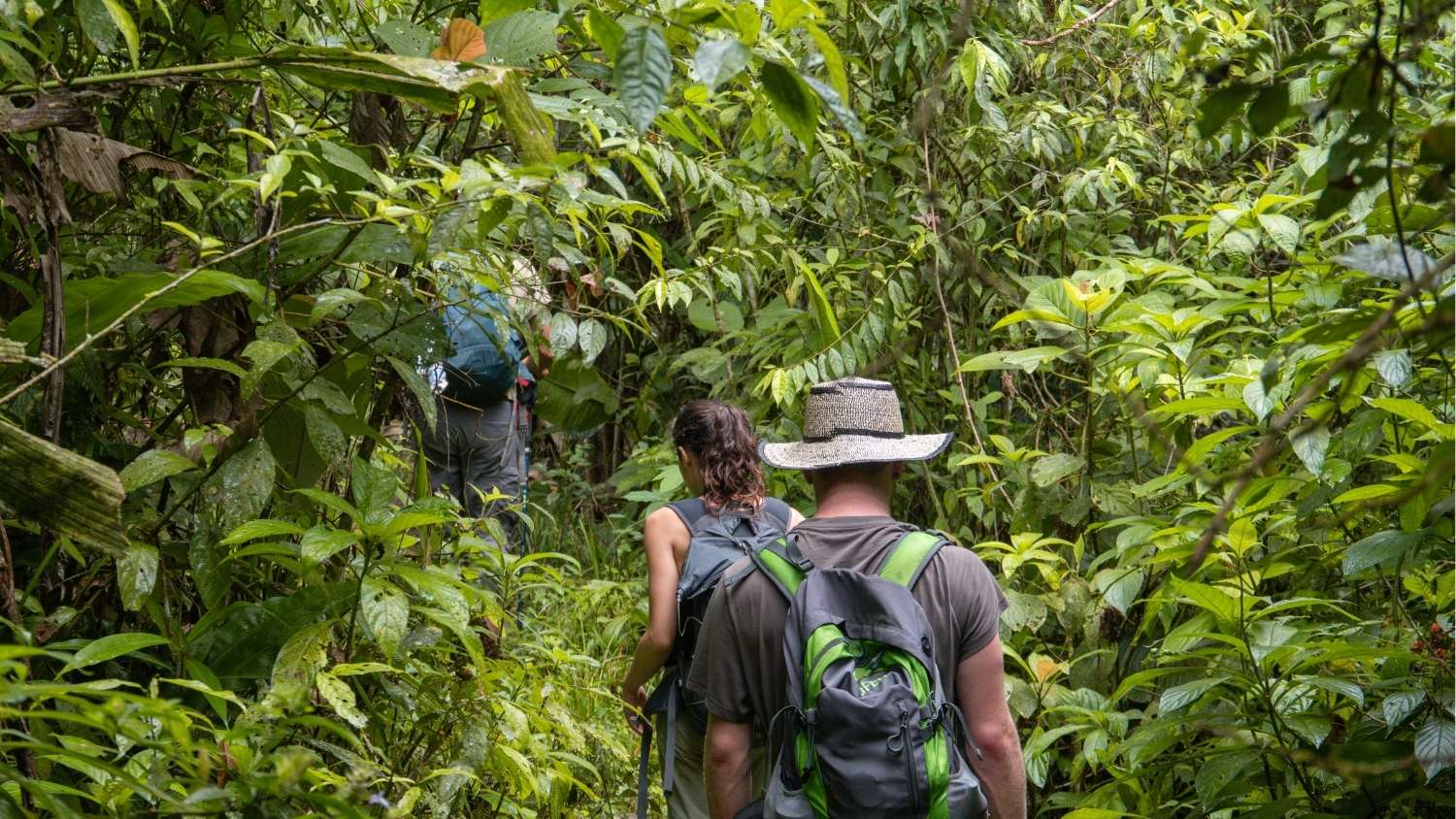
Because El Duende reaches deeper forest areas, the hike has a strong sense of wilderness. Birds, amphibians, insects, and animal tracks often become part of the experience, especially in humid conditions and near rivers. This is a route for travelers who want a deeper, wilder Santa Fe experience without yet choosing the most extreme full-day hike. For full details, visit our El Duende Waterfall Hike activity page, or contact us via WhatsApp to check if this route matches your experience level.
Escobal and Escobalito are among the most challenging hikes in Santa Fe National Park. This route goes deep into primary forest, far from roads and phone signal, where rivers, mud, steep inclines, and narrow jungle paths define the day. It is a hike for strong, experienced hikers who are comfortable with long hours in rugged tropical terrain.
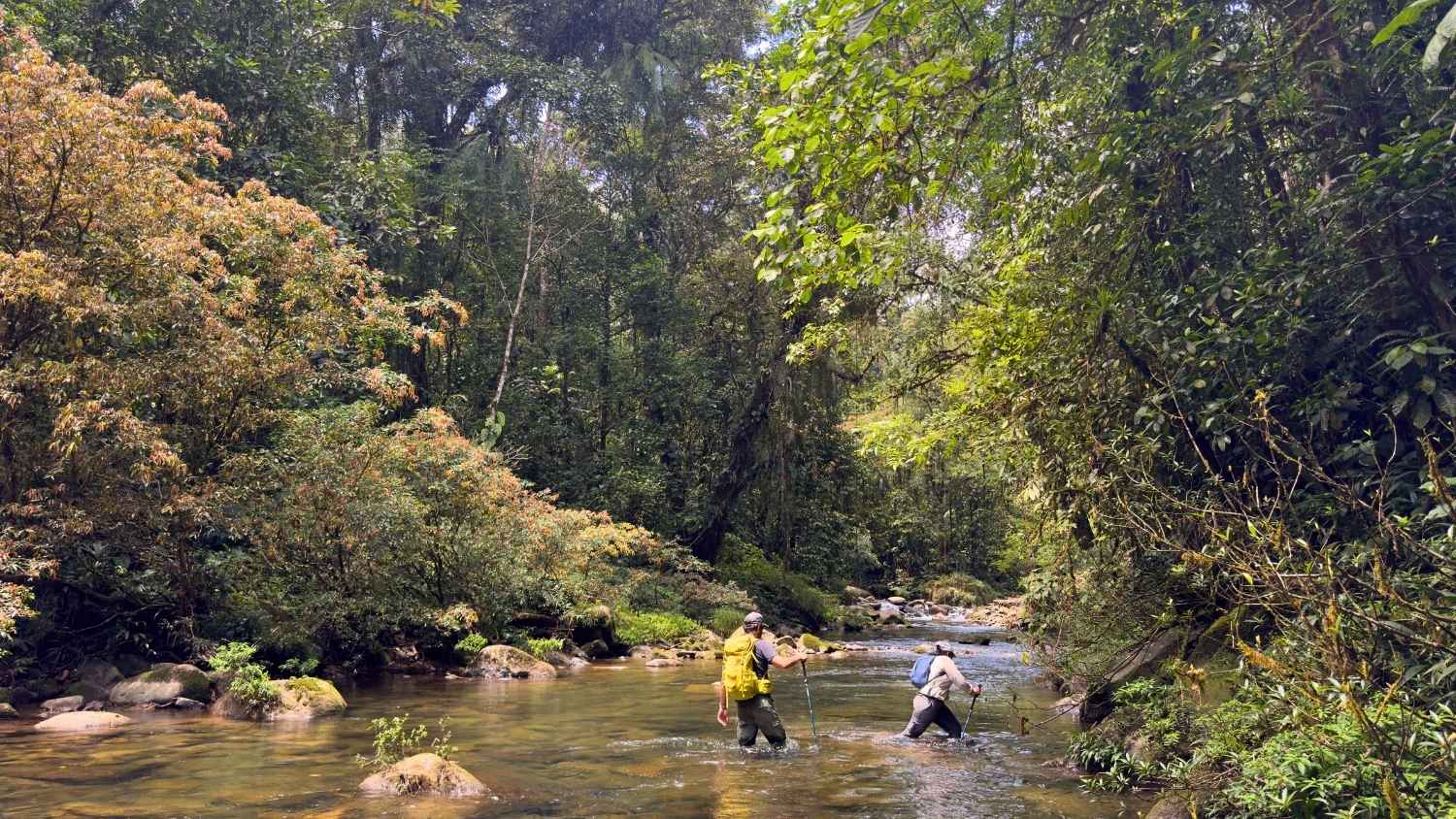
The route takes around 8 to 10 hours overall, with 7 to 8 hours of hiking. It covers approximately 13.2 km, with about 1,100 meters of elevation gain. It is a Level 4 very challenging hike because of the river crossings, wet terrain, steep sections, and long physical effort. The reward is access to two hidden waterfalls in one of the wildest areas of Santa Fe National Park.
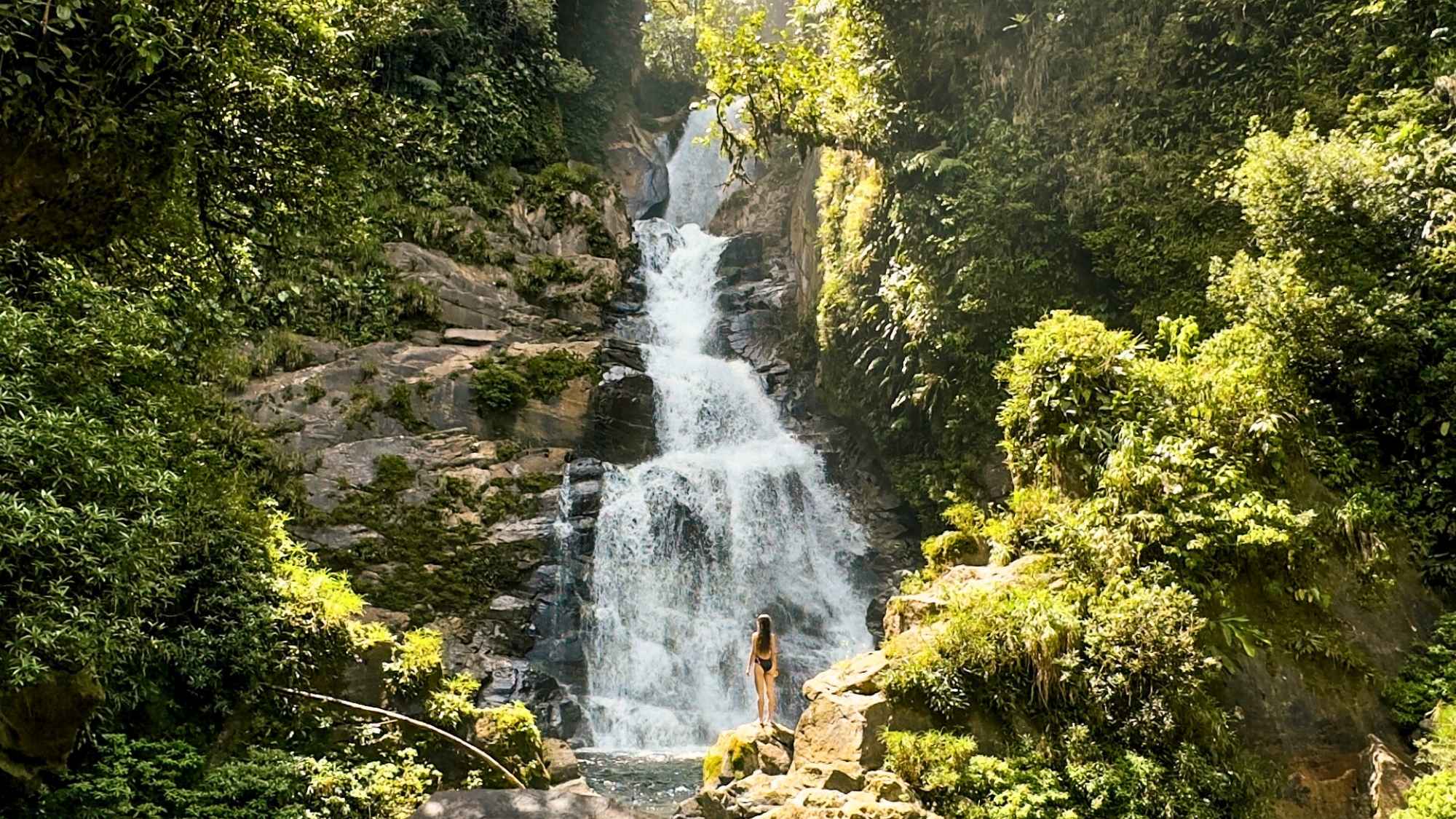
Escobal and Escobalito pass through forest that feels remote, alive, and rarely visited. These areas are part of the habitat used by many species, from birds and amphibians to larger mammals that move silently through the mountains. Sightings are never guaranteed, but the signs of wildlife, the density of the forest, and the isolation of the route make this one of the strongest wilderness hikes in Santa Fe Veraguas.
This is the hardest hike in this list and should only be considered by travelers with strong physical condition and experience in demanding outdoor environments. For full details, visit our Escobal y Escobalito Waterfalls Hike activity page, or contact us via WhatsApp before booking so we can evaluate conditions, timing, and fitness level.
Choosing the right hike in Santa Fe Veraguas depends on your fitness, experience, season, and comfort with tropical terrain. If you are traveling with family or want an easy first experience, the Panorama Hike is the best place to start. If you want a classic mountain route, Cerro Tute offers a balanced challenge. For steeper forest hiking, Cerro Mariposa is a stronger option. For remote jungle and waterfalls, El Duende and Escobalito move into more demanding territory.
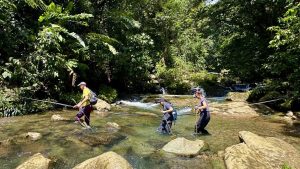
Trail conditions in Santa Fe can change quickly, especially during the rainy season. Mud, river crossings, slippery rocks, and weather changes are part of hiking in this region. Before booking, check our Difficulty Levels article and contact us if you are not sure which route matches your pace.
With the right route and a local certified guide, these hikes in Santa Fe Veraguas show why the region is one of the most rewarding hiking destinations in Panama: wild, quiet, diverse, and still far from mass tourism.